Thursday, November 1, 2018

Great Art of Artillery, the First Part


We just learned about the rocket launch of Lagari Hasan Çelebi in the 1630s.

Another part of rocket hisory is the book Great Art of Artillery, the First Part (Artis Magnae Artilleriae pars prima) written in 1650 by a Polish-Lithuanian general named Casimir Siemienowicz who knew a lot about rockets.

His book talked about rockets used both for war and for fun, and talked about multi stage rocketse, wings for steering rockets, and batteries for rockets.

The book is called "The First Part" but no one has ever found a second part.
Some people believe that there were other scientists from that time who didn't want people knowing all of their secrets about things like rockets so they had him killed!


(from: wikipedia - casimir siemienowicz)


Kid Facts - Blast from the past: Blind Thrust
Wednesday, October 31, 2018

Chromatophore


We just learned about the Cephalopod Ink.

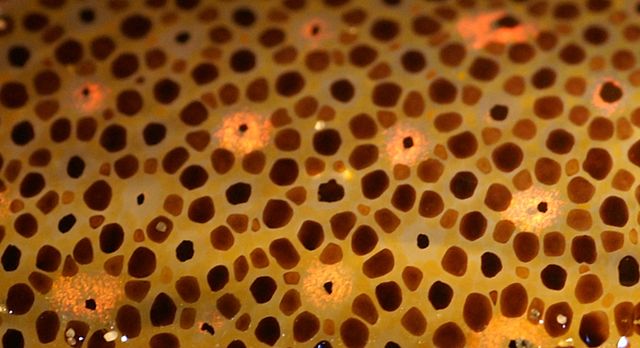
Another part of many cephalopods is the Chromatophore.

Cephalopods have little sacks in their skin called cytoelastic sacculus, that are filled with something called pigment granules.

That's a lot of big words, but it basically means they have tiny bags of color all over their skin, and they use muscles to squish out more color or less color to change the way they look.


(from: wikipedia - Chromatophore)


Kid Facts - Blast from the past: Rhacophorus

Tuesday, October 30, 2018

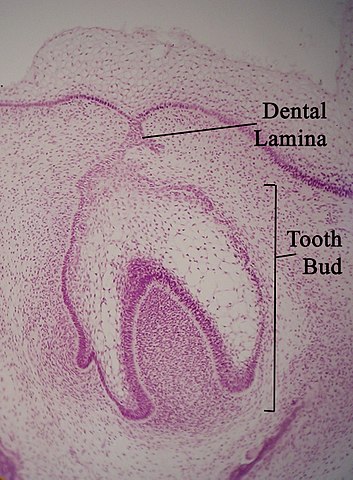
Tooth - Initiation


We just learned about the Dentinogenesis.

When teeth are first being developed in the gums by a baby before it is born, that is called the Initiation Stage.

Babies are usually born without any teeth showing, but their mouths have already started getting ready for teeth to be made in their jaw.

The first sign of teeth getting ready is when the skin in the mouth starts to change.
Very soon a tooth will be made underneath the skin, and the gums need to be ready to heal up quickly when a tooth pokes through the skin for the first time.


(from: wikipedia - dental lamina)


Kid Facts - Blast from the past: Posterior Longitudinal Ligament

Monday, October 29, 2018

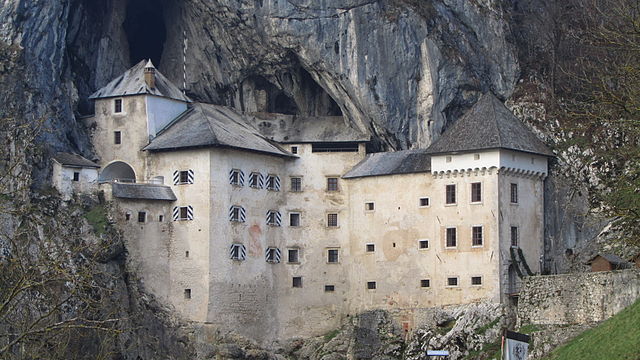
Predjama Castle


We just learned about Bellver Castle.

Another famous castle is Predjama Castle, built around 1200 AD in Slovenia.

This castle was built right into the mouth of a cave, so that it could be very strong against attacks.

Most of the castle is in front of the cave, but some of back walls of the castle are built right into the rock, and they are connected to the entrance to go back into the cave.

The people who created the castle even made secret cave exits that they could use to try and sneak food in and out when the castle was under attack.

Down underneath the castle are four more levels built into the caves!
It is one of the longest caves in Slovenia.


(from: wikipedia - predjama castle)


Kid Facts - Blast from the past: Michoacan

Sunday, October 28, 2018

Epaphroditus - Bishop of Andriace


We just learned about Tychicus - Bishop of Colophonia, one of the seventy disciples.

Another of the seventy is Epaphroditus - Bishop of Andriace.

Epaphroditus was from Philippi, and came to help Paul when he was in jail in Rome.
He was such a hard worker that he worked until he was sick and almost died.

He got better, and later went on to be known as one of the leaders of the church in the town of Philippi.


(from: wikipedia - epaphroditus)


Kid Facts - Blast from the past: Theodore the Studie

Saturday, October 27, 2018

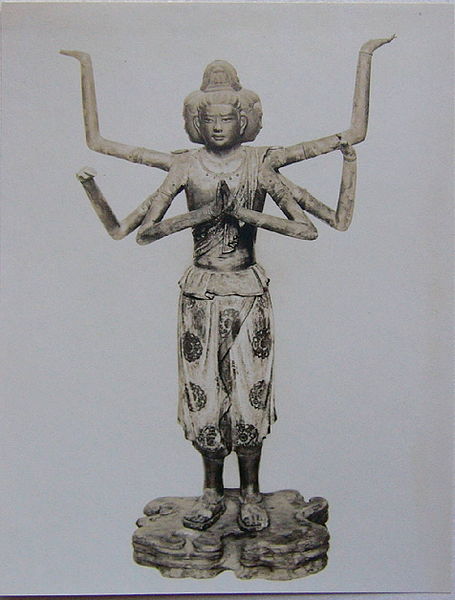
Asura at Kōfuku-ji temple


We just learned about the Kongōrikishi.

Another famous ancient Japanese sculpture is the sculpture of Asura at Kōfuku-ji temple, made around 700 AD in Nara Japan.

Buddhists believe that the Asura is a powerful creature that helps protect the temples.

This sculpture was made using a type of art called kanshitsu, which means dry lacquer.
For this type of art, sculptors first make a model out of clay.
Then they take some cloth that they soak in a special type of oil and sawdust.
After that they wrap the statue in these cloths until it dries.
Last they break the clay out from underneath so it is a hollow statue.


(from: wikipedia - Kōfuku-ji)


Kid Facts - Blast from the past: Nicolaus Copernicus Monument - Thorwaldsen

Friday, October 26, 2018

Norwegian - Good Morning


We just learned a few ways to say hello and goodbye in Norwegian, like Hei, Ha det.

Sometimes you might want to say good morning, good afternoon, or good night.

Good Morning - God morgen - sounds like goo-d more-ghen

Good Day - God dag - sounds like Goo-d dah-g

Good Afternoon - God ettermiddag - sounds like goo-d eh-teh-r-me-dah-g

Good Evening - God kveld - sounds like goo-d k-veh-l-d

Good Night - God natt - sounds like goo-d nah-t

norwegian language
(from: wikipedia - norwegian language)

Greek: Καλημέρα (Kaliméra), Καλησπέρα (Kalispéra), Καληνυχτα (Kalinychta)

ASL: Good Morning, Good Day, Good Evening, Good Night

Italian: buongiorno, buon pomeriggio, buonasera, buona notte

German: Guten Morgen, Guten Tag, Guten Abend, Gute Nacht

Spanish: Buenos días, buenos tardes, buenas noches

French: bonjour, bonsoir, bonne nuit

Thursday, October 25, 2018

Lagari Hasan Çelebi


We just learned about the Bellifortis Rockets.

Another ancient rocket launch from history was the first manned rocket flight, by Lagari Hasan Çelebi in 1633 AD in Instabul, Turkey.

Lagari was famous for flying, and the legend of his flying says that he made a 7 winged rocket with gunpowder, and launched it in the air to celebrate the birth of the sultan's daughter.

Before he launched he said "O my sultan! Be blessed, I am going to talk to Jesus!"

After he landed in the water he swam back to shore and jokingly said "O my sultan! Jesus sends his regards to you!"

Some people think maybe this rocket wasn't real, but since it was so long ago no one can really tell for sure.


(from: wikipedia - lagâri hasan celebi)


Kid Facts - Blast from the past: Thrust Fault

Wednesday, October 24, 2018

Cephalopod Ink


We just learned about the Cephalopod Funnel.

Another part of a cephalopod is the Ink Sac.

This is inside the mantle where the gills are, and when an octopus or squid gets scared it will let out some black ink to hide, and to try and scare off anyone coming to attack it.

The ink just comes out of the ink sac, and they use the funnel that they squirt water out of to shoot the ink all over the place.

The ink is so dark that sometimes people use it to color types of food very dark.


(from: wikipedia - arròs negre)


octopus shooting ink! - Bilal El Hasnaoui


Kid Facts - Blast from the past: Wallace's Flying Frog

Tuesday, October 23, 2018

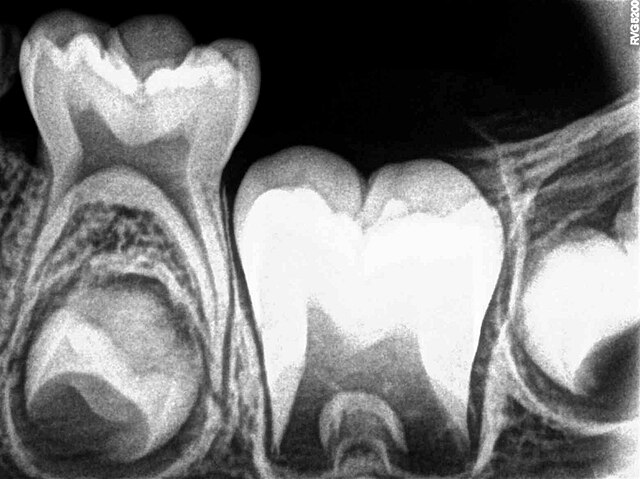
Dentinogenesis


We just learned about the Odontoblast.

Another part of a tooth growing is Dentinogenesis.

This what it is called when the Odontoblasts that we learned about create the dentin inside the teeth.


(from: wikipedia - human tooth development)


Kid Facts - Blast from the past: Intervertebral Discs

Monday, October 22, 2018

Bellver Castle


We just learned about the Palace of Versailles.

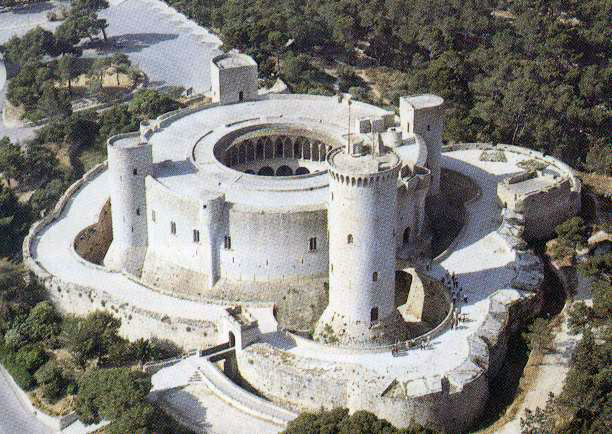
Another famous castle is Bellver Castle, bult in 1311 on the Island of Majorca in Spain.

This was built long ago for King James II of Majorca, and it is a special castle because it is shaped like a circle!
The outside of the castle is a circle, the inside is a circle, and all of the towers are circles.
It is the only circular castle in Spain!

For a long time it was the home of the Kings of the land, but later was turned into a prison.
Now it is a museum and a place for tourists to come look at.


(from: wikipedia - bellver castle)


Kid Facts - Blast from the past: Nuevo León