Friday, February 15, 2019

Norwegian - He is angry


We just learned that in Norwegian I am happy is jeg er glad,
and you are sad is Du er lei deg.

Now let's learn how to say He is angry.

Han er sint

He - Han - sounds like han
is - er - sounds like eh-r
angry - sint - Sounds like sih-nt

So all together Han er sint sounds like han eh-r sih-nt.

norwegian language
(from: wikipedia - norwegian language)

Greek: Είναι θυμωμένος

ASL: He is angry

Italian: Lui è arrabbiato

German: Er ist wütend

Spanish: Él está enojado

French: Il est en colère

Thursday, February 14, 2019

R-7 Rockets


We just learned about the PGM-11 Redstone.

Another type of rocket from history is the R-7 Rocket.
Sometimes it's called the R-7 Semyorka, because the Russian word for seven is "Семёрка" which sounds like Semyorka.

After World War II when the Russians brought German scientists to work for their country making missiles, they learned a lot about making missiles, and made the R-1, R-2, and R-5 missiles.
Then they sent the Germans home and started making their own missiles.

The Russians made a missile called the R-7, and it was the first "ICBM" missile which stands for "Intercontinental Ballistic Missile".
This means it could be launched from one continent like Europe or Asia, and fly all the way in the air to land on another continent like North America.

For the first time in history, someone could launch a missile from over 5,000 miles away to bomb another city.
Because this was such a scary thing, it pushed the scientists in the USA to try and make their own ICBMs to fight back if they were being bombed from across the Atlantic ocean.

The R-7 rocket was not just used for war, it was used for space exploration.
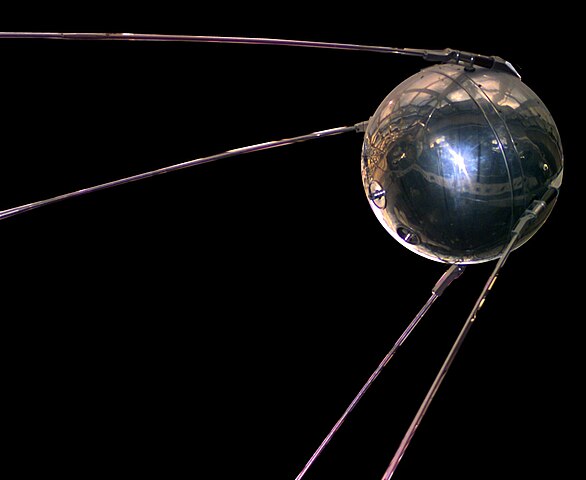
Sputnik was the first satellite to be launched into space to orbit the earth.
In 1957 the Russians used a type of R-7 rocket to launch it up into space.
This also pushed the other countries of the world like the USA to make rockets for space exploration.


(from: wikipedia - r-7 (rocket family))


Kid Facts - Blast from the past: Seismogram

Wednesday, February 13, 2019

Crystal Jelly


We just learned about the Upside Down Jellyfish.

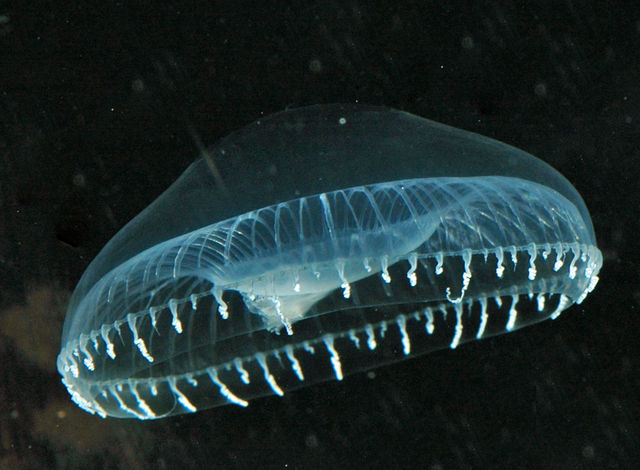
Another type of jellyfish is the Crystal Jelly.

This type of jelly is mostly clear, with lines called radial lines in the bell part of its body called the bell that help it swim.

Around the outside of the bell are small tentacles that it uses to sting its prey, but the sting does not hurt humans.

It's mouth is hanging down in the middle, and this jelly eats very tiny things like plankton or barnacles.

They live mostly in the Pacific Ocean, off the coast of California.


(from: wikipedia - aequorea victoria)


Crystal Jellyfish Are Clearly Awesome! - Monterey Bay Aquarium


Kid Facts - Blast from the past: European Squid

Tuesday, February 12, 2019

Filiform Papillae


We just learned about the Taste Buds.

Another part of the tongue is the Filiform Papillae.

The lingual papillae that we learned about come in a few different shapes and sizes.
One of those is the filiform papillae, which are small and cone shaped, with small threads at the top.

These papillae do not have any taste buds, they are only used by the tongue for feeling, and to give the tongue a rough feeling.

The tongue has more filiform papillae than any other type of papillae.


(from: wikipedia - lingual papillae)


Kid Facts - Blast from the past: Hip Femur Ligaments

Monday, February 11, 2019

Chillon Castle


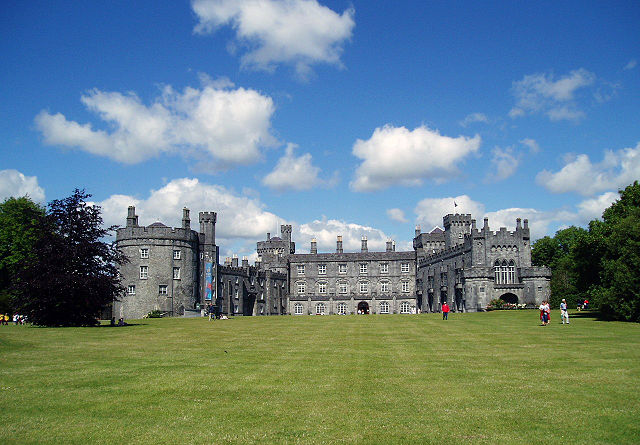
We just learned about the Kilkenny Castle.

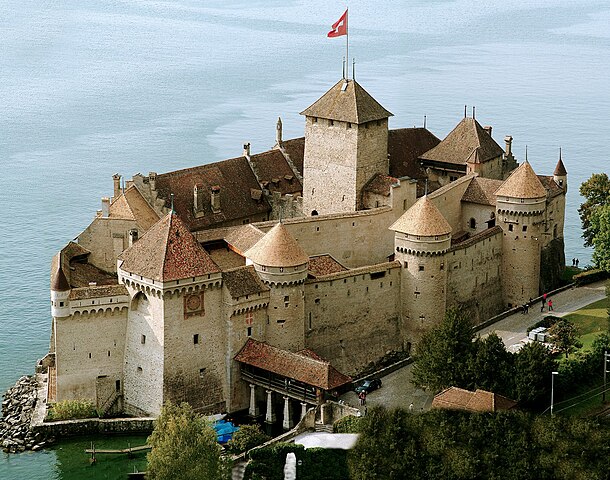
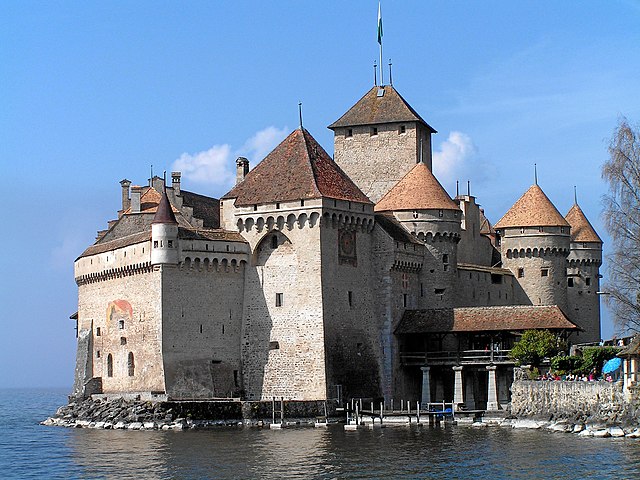
Another famous castle is the Chillon Castle, built in Veytaux Switzerland in 1005 AD.

It is built on a small island, right on the edge of Lake Geneva.

When it was first made, it was built to defend some of the valleys and roads in the area, but later on was used as a prison for some famous people.

The prince's castle in the Disney movie The Little Mermaid was made to look like this castle.


(from: wikipedia - chillon castle)


Kid Facts - Blast from the past: Durango

Sunday, February 10, 2019

Antilegomena


We just learned about the Muratorian Fragment.

Another part of the early Christians working on the Bible is called Antilegomena.

When people were trying to collect all of the writings about Jesus and what happened to him and after him, some people disagreed on which were real letters and which ones were fake.

There was a lot of disagreement because long ago it was very hard to figure out which letters were real, so if people disagreed on a writing it was called Antilegomena.

It is a Greek word ἀντιλεγόμενα that means "spoken against".

Remember we learned about people deciding which books were "canon" meaning measured or accepted.
If a book or letter was Antilegomena, then it was usually not accepted as "canon" and would not be put into a Bible.


(from: wikipedia - antilegomena)


Kid Facts - Blast from the past: Seventy Disciples

Saturday, February 9, 2019

Ellora - Jain Caves


We just learned about the Ellora - Hindu Caves.

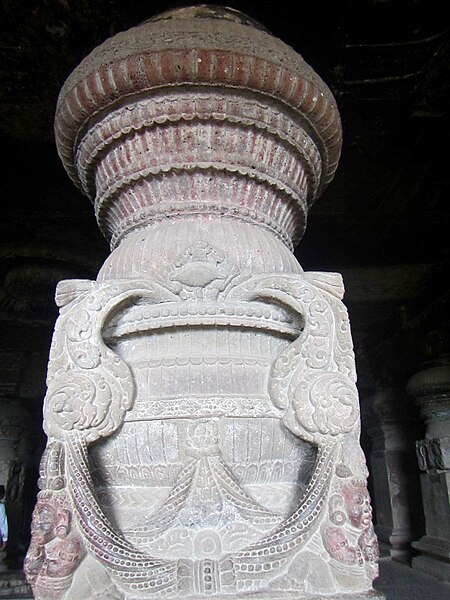
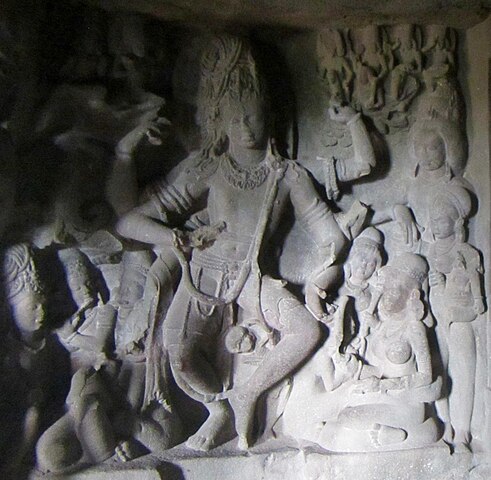
Another part of the Ellora area is the Ellora - Jain Caves.

The people who made the Jain believed in different things than the people who made the Hindu or Buddhist caves, but they were built right along side the Hindu caves at about the same time.

Just like the other two sets of caves, these areas have special sculptures of gods and goddesses that people worshipped, and also temples and special worship areas.


(from: wikipedia - ellora caves)


Kid Facts - Blast from the past: Gandara Stone Palettes

Friday, February 8, 2019

Norwegian - You are sad


We just learned that in Norwegian I am happy is jeg er glad.

Now let's learn how to say You are sad.

Du er lei deg

This really means something like "You are sad you", but that's how you say it!

You - Du - sounds like doo
are - er - sounds like ah-r
sad - lei deg - Sounds like lah-ee dah-ee

So all together du er lei deg sounds like Doo ah-r lah-ee dah-ee.


norwegian language
(from: wikipedia - norwegian language)

Greek: Είσαι λυπημενος

ASL: You are sad

Italian: Sei triste

German: Sie sind traurig

Spanish: Estas triste

French: Vous êtes triste

Thursday, February 7, 2019

PGM-11 Redstone


We just learned about the V-2 Rocket.

Another famous rocket from history is the PGM-11 Redstone.

This was an American rocket made from the German scientists who had made the V-2 rocket.

It was part of the American rocket program for a very long time.

This rocket was the first one to carry a nuclear bomb, that was exploded up in the atmosphere in the sky.
It was also part of the rocket program to launch the US Explorer 1 space satellite.
The family of rockets that were made as copies of this later went on to send a person into space!


(from: wikipedia - pgm-11 redstone)


Kid Facts - Blast from the past: Seismometer

Wednesday, February 6, 2019

Upside-Down Jellyfish


We just learned about the Cauliflower Jellyfish.

Another type of Jellyfish is the Upside-Down Jellyfish, also called the Cassiopea Andromeda.

This kind of jellyfish usually lives in the sand or mud.
A lot of times people think this jelly is a sea anemone because it lays on the ground.
It lays on its back with its arms up waving around, and it uses its bell to keep the water flowing up on its arms.
If some animals come along to its arms, they will get stung and then fall into the jellyfish's mouth that is pointing up.

These jellies also live with algea growing in and around it, and some shrimp, and some other very small animals called zooxanthellae.
These tiny animals help keep other animals away that might hurt the jelly, and the jelly helps keep predators away that might hurt them.


(from: wikipedia - cassiopea andromeda)


[HD] No Sea anemone!!! Upside-down jellyfish / Mangrovenqualle @ Aquazoo [29/52] - FischbottichTV Nils


Kid Facts - Blast from the past: Cuttlefish

Tuesday, February 5, 2019

Taste Buds


We just learned about the Lingual Papillae.

Another part of the mouth is the Taste Buds.

The lingual papillae are the little bumps on the tongue, and on most of those little bumps are what we call taste buds, or taste receptors.

The taste receptors or buds are the tongue are what tell your mouth what flavor something is.
There are five different taste types: salty, sour, bitter, sweet and umami.

The human tongue usually has from 2,000 to 8,000 taste buds.


(from: wikipedia - taste bud)


Kid Facts - Blast from the past: Phalangeal Ligaments

Monday, February 4, 2019

Kilkenny Castle


We just learned about Conwy Castle.

Another famous castle is Kilkenny Castle, built in 1195 AD in Kilkenny Ireland.

This castle was built right on the River Nore, and also right next to some very important roads.

Many royal people lived in this castle for a long time.


(from: wikipedia - kilkenny castle)


Kid Facts - Blast from the past: Morelos

Sunday, February 3, 2019

Muratorian Fragment


We just learned about the Tetramorph.

Another part of Early Christianity is the Muratorian Fragment.

Back when people were trying to put collect all the letters and writing about Jesus, someone wrote down a list of the books that they thought should be all together.

This list of books is almost exactly the list of books that became the New Testament.
A few of the books that were added later probably were discovered after a while and then added, but people believe this list of books was put together as early as 140 AD.

That means the list of books in the New Testament in the Bible has been about the same for almost 2,000 years.


(from: wikipedia - muratorian fragment)


Kid Facts - Blast from the past: Bridget of Sweden

Saturday, February 2, 2019

Ellora - Hindu Caves


We just learned about the Ellora - Buddhist Caves.

Another part of ancient Indian artwork is the Ellora - Hindu Caves.

In the same place as the 12 Ellora Buddhist Caves, there are 17 Caves that were used for Hindu worship.

There are statues of Hindu gods and goddesses in these caves for Hindu people to worship, and the caves were built with a waterfall flowing over top.

These caves were actually carved out close to 100 years before the Buddhist caves were made nearby.
There are pillars, a temple and many statues and rooms for worshipping.


(from: wikipedia - ellora caves)


Kid Facts - Blast from the past: Ptaliputra Capital

Friday, February 1, 2019

Norwegian - I am happy


Last time we learned that the Norwegian words for horse, sheep and duck are hest, sau, and and.

Let's learn how to say I am happy in Norwegian!

We can break it up into two words:

I - jeg - sounds like yah-ee
am - er - sounds like ah-r
happy - glad - sounds like g-lah

Together jeg er glad sounds like yah-ee ah-r g-lah


norwegian language
(from: wikipedia - norwegian language)

Greek: Είμαι χαρούμενος

ASL: I am happy

Italian: Sono felice

German: Ich bin glücklich

Spanish: Estoy feliz

French: Je suis heureux

Thursday, January 31, 2019

V-2 Rocket


We just learned about the Bell X-1.

Another part of rocket history is the V-2 Rocket.

During World War II when everyone was making rockets for war, the Germans made a rocket called the V-2.
It came from the German words "Vergeltungswaffe 2" meaning "Retribution Weapon 2".

It was the world's first missile that used a guidance system to make sure it hit the target.
The rocket used ethanol and liquid oxygen for its propellant, and launched itself into the air for 65 seconds.
After that it would start falling towards its target, and it used gyroscopes, accelerometers and tail fins to guide its path as it fell toward the target.

It was also the first man made object to go into outer space on June 20, 1944.

After the war, Great Britain, the USA, the Russians all used these rockets to help learn how to make rockets to launch into space.


(from: wikipedia - v-2 rocket)


Kid Facts - Blast from the past: Seismic Wave

Wednesday, January 30, 2019

Cauliflower Jellyfish


We just learned about the Purple Striped Jelly.

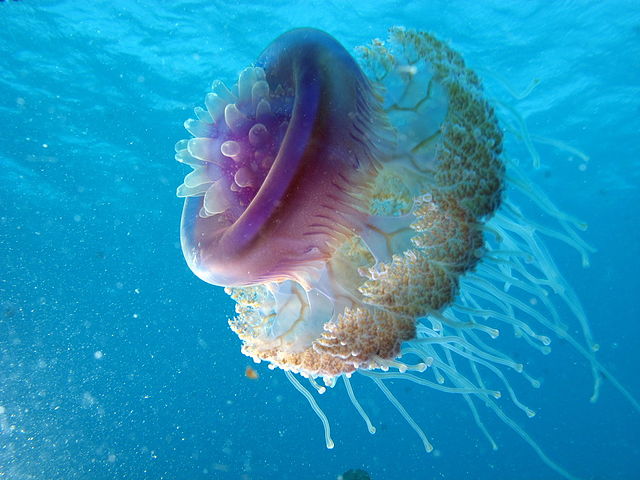
Another type of jellyfish is the Cauliflower Jellyfish, also sometimes called the crown jellyfish or cephea.

The rounded top of a jellyfish's body is called the bell.
On top of this jellyfish's bell is what looks like a cauliflower crown, so that is where they get their nickname.

The bell of this jelly is a bluish purple colored skirt, that they use to swim along.
On the bottom of the jelly are large orange brown mouth arms that it uses to eat with, and a bunch of very small tentacles that it uses to sting its prey so it can eat it.


(from: wikipedia - cephea)


Crown Jellyfish - kitachan3


Kid Facts - Blast from the past: Chambered Nautilus

Tuesday, January 29, 2019

Lingual Papillae


We just learned about the Specialized Mucosa.

Another part of the mouth is the Lingual Papillae.

These are the little bumps on the top of your tongue that are where your taste buds are.
The way the tongue has these little bumps helps your tongue be able to taste all sorts of different flavors.


(from: wikipedia - lingual papillae)


Kid Facts - Blast from the past: Metacarpal Ligaments