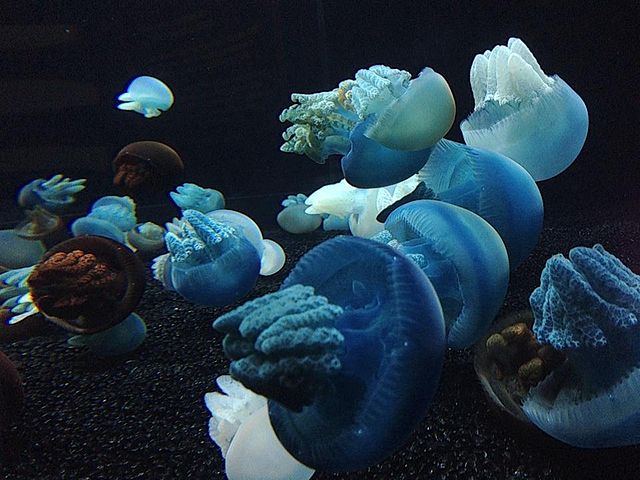
Another type of jellyfish is the Blue Blubber Jellyfish, also called the jelly blubber or catostylus mosaicus.
This type of jelly lives over by Australia, and swims around with lots of other blue blubbers in big swarms.
Sometimes it is blue, or white or even brown, and it grows to be about 18 inches.
They mostly eat small things like plankton or fish, and they have stingers that hurt people but won't kill a human.
Right on the top middle of your tongue there is a line going all the way from front to back.
This line is the median sulcus, and it divides the tongue into a left and right side.
It's sort of like a line in a piece of paper that's been folded, and most people can fold their tongue in half right there inside their mouth.
With the tongue folded right on that line, sometimes it can help when eating food.
So far we've learned about a lot of castles and palaces, but what's the difference between a castle and a palace?
The word castle comes from the a word meaning "fortified place".
The word palace comes from the hill named "Palatine Hill" in Rome, where the Roman Emperor's lived.
A castle is a place that is fortified, which means it usually has big walls, or a moat, or other ways of protecting the people who live there form being attacked.
It's also the home of a royal person like a lord or noble.
A palace is a big fancy building, and usually the home of someone royal like a king, or bishop, but they are not usually fortified because people are always coming to visit.
Another building name was "fortress" which is kind of like a castle but usually not a home for a royal person.
(from: wikipedia - castle)
(from: wikipedia - palace)
Another part of early Christianity was the Peshitta.
During the time when people were trying to put together the Bible so they could tell others about Christianity,
some people worked to write it down in other languages so people in different countries could read it.
A lot of the Bible was written in Hebrew and Greek, so some people worked to translate it into the Syriac language.
The word peshitta means "simple" or "easy to understand", and it was a book put together so people could tell others in many eastern countries about Jesus.
With this Syriac version of the Bible, people were able to spread Christianity across other countries like Armenia, Georgia, and even China.
The famous Nestorian tablet from China was written from the translation in the Peshitta.
(from: wikipedia - peshitta)
Another Mukteshvara Temple, built around 950 AD in Odisha, India.
This is a large Hindu temple with lots of sculpted columns and shapes all over the building.
The most famous part of the temple is the arched gateway called the torana.
There are two thick pillars with strings of beads, ornaments, scrolls, monkeys, peacocks and beautiful women carved all over them.
The big 34 foot tall square tower inside is called the Vimana.
It has many sculptures of Hindu gods on it, demons and dwarf figures.
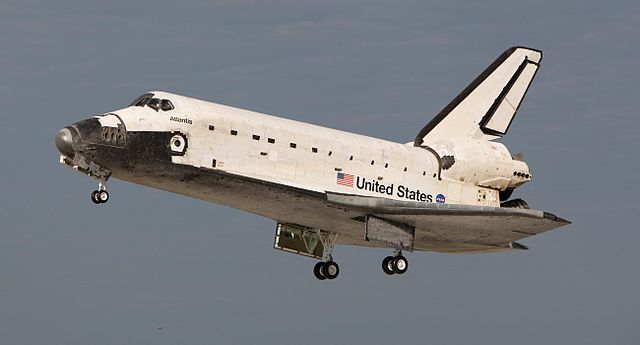
Another famous rocket is the Space Shuttle, made in the USA in 1981.
This was a kind of airplane made for doing work in outer space, and then bringing people home.
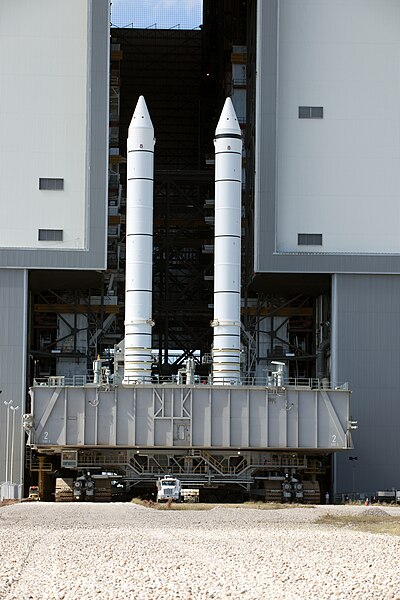
The space shuttle had two big rockets to help it launch called "Solid Rocket Boosters" or SRBs.
These are the tall skinny white rockets on either side of the shuttle.
These SRBs used solid rocket propellant, together weighed about 2.6 million pounds, were about 150 feet long, and 12 feet wide.
When the shuttle was launched, these rockets helped bring it to 28 miles up into the sky, at a speed of over 3,000 miles per hour.
They used gimbaled thrust like we learned about, to tilt the engine nozzle and steer the rocket, and they used gyroscopes to make sure they were going the right way.
After these rockets ran out of fuel, they would let go of the shuttle and fall to earth with a parachute.
When they made it down to earth, they were found and fixed up and reused over and over again.
The Space Shuttle main engine, called the SSME uses liquid fuel, and has three rocket engines with nozzles at the bottom of the space shuttle.
These engine nozzles also used gimbaled thrust, just like the SRBs.
It holds its fuel in a giant fuel tank called the Space Shuttle external tank (ET).
The ETs weighed over 70,000 pounds, was over 150 feet long, and 27 feet wide.
During launch, the SSME would burn the fuel in the fuel tank for about eight minutes, and then it would drop off the ET which would fall into the ocean and never be reused.
After it was coming back from space it used small thrusters called the Reaction Control System or RCS to help steer it down, and then it mostly flew down to earth like a glider.
The space shuttle flew 135 missions into space, from 1981 to 2011.
This is the biggest jellyfish in the world, and can grow to be over 6 feet wide and weigh over 400 pounds!
In only six months they can grow from the size of a grain of rice to 6 feet wide.
They live over near China in the Yellow sea and East China sea.
For food these jellies start eating small things like plankton, but then as they get bigger they will eat some kinds fish.
Other animals that eat these jellies are swordfish, tuna, sunfish and leatherback turtles.
Even some people eat these, and in Japan someone makes a type of vanilla and jellyfish flavored ice cream.
They do have a sting that is painful, but as long as the person gets to a doctor they will be ok.
Another part of the mouth is the Circumvallate papillae.
We know the filiform papillae are just for touch,
the fungiform papillae have taste buds,
and the foliate papillae are soft folded skin on the sides and back of the tongue with taste buds.
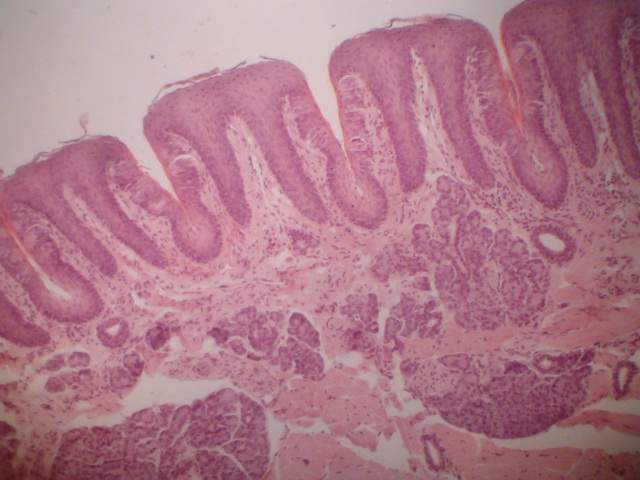
The circumvallate papillae are rounded on top, and the tongue has around 8 to 12 of them.
They are on the back part of the tongue, with one row on each side.
These papillae are usually bigger bumps than the other types of bumps on the tongue.
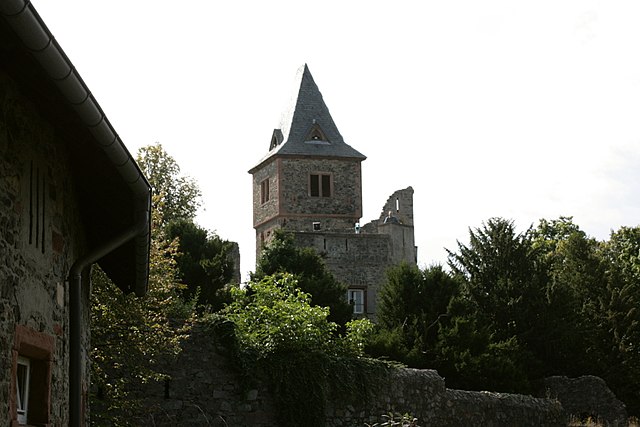
Another famous castle is Frankenstein Castle built around 1252 AD near Darmstadt Germany.
In German, the word stein means "stone" and the Franks were a group of people who lived in Germany.
So Frankenstein castle means "stone of the Franks".
In the year 1818, a writer named Mary Shelley wrote the famous book about Frankenstein's Monster, and many people think that she visited the castle and got ideas for her book from the area.
Near the castle there are many scary stories about ghosts, witches and fairies living in the forest.
There is one special water fountain that stories say witches use to stay young, and there is another place with rocks that are so magnetic compasses do not work there.
Another story is that a man lived there long ago who studied chemicals and human bodies and was almost like the Doctor who made Frankenstein.
All of these stories together bring a lot of people to this castle to visit and see if any of the stories are true, but most people believe they are just stories used to scare little kids.
Either way, it really is called Frankenstein castle!
Another part of early Christianity is the Gospel Harmony.
We know that the four Gospel books of the New Testament in the Bible are Matthew, Mark, Luke and John.
Long ago around 160 AD in Syria, a man named "Tatian" decided to try and put those four books together into one book, since they are all about Jesus' life.
He called this book the "Diatessaron" which means "made of four" or "mixed Gospel".
Because the word "harmony" can mean a mixture of music that sounds nice together, people call this type of writing a "Gospel Harmony".
Other people have made gospel harmonies through the years, but Tatian's Diatessaron was the first one we know about.
Another Indian sculpture is the Konark Sun Temple, built around 1238 AD in Konark, Odisha, India.
The name Konar comes from the words Kona meaning "corner" and Arka meaning "the sun".
This 100 foot Hindu temple is made to look like a giant chariot with wheels being pulled by horse sculptures.
There are 24 wheel sculptures, and each one is over 12 feet tall.
There are seven horse sculptures made to look like they are pulling the chariot.
It has sculptures all over the building, and some other sculptures around it like elephants and people.
Next to the temple is another building called the Nata Mandir, which means Dance Temple.
In Europe, a few countries worked together to make a rocket that would be used to launch things up into space, like satellites or even for space exploration.
France, Germany and the UK came up with it and its first launch was in 1973.
They were multi-stage rockets, using liquid rocket fuel.
These rockets change a little every few year, but some are still mostly working today, launching satellites and exploration things into outer space.
This type of small jellyfish only grows to be about 12 inches wide, and is mostly see through.
It lives in cold or hot water in just about every part of the ocean in the world.
They do not move very much, just mostly float around and try to eat up some plankton or fish eggs floating in the water.
Other animals eat these jellyfish a lot, like fish or birds.
Their sting is so little that most people can even pick up this jellyfish and hold it in their hand.
Another part of the mouth is the Foliate Papillae.
So we know the filiform papillae are just for touch, and the fungiform papillae have the taste buds.
The foliate papillae are on the back and sides of the tongue, and almost look like they have folds on them.
They are soft, and don't have any keratin, but they do have taste buds on them.
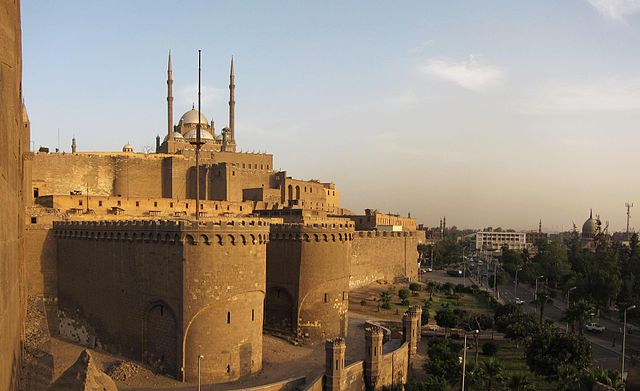
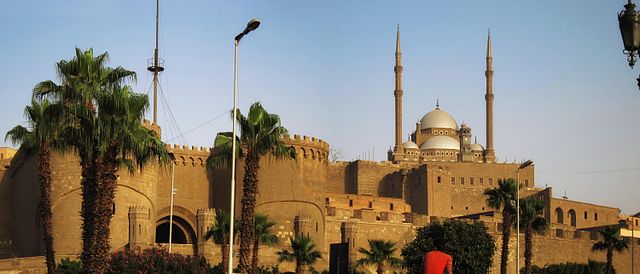
Another famous castle is the Cairo Citadel, built in 1176 in Cairo, Egypt.
It was built by Salah al-Din (Saladin) during the wars known as the Crusades.
The wall and castle were built in the cities of Cairo and Fustat, and near the Nile so that they could try and control that part of the country from invaders.
To get water to the Citadel, they built a 280 foot well in the castle, called the Well of Joseph, that is still there today.
This well has a spiral staircase of 300 stairs going all the way down to the well.
Later on they built a bunch of water wheels that helped bring the water up to the citadel and then the water would go on things called acqueduct which were like ramps that helped bring water from one place to another.
Another part of early Christian history is the First Apology.
The word apology used in this way comes from Greek, where it means a speech in defense.
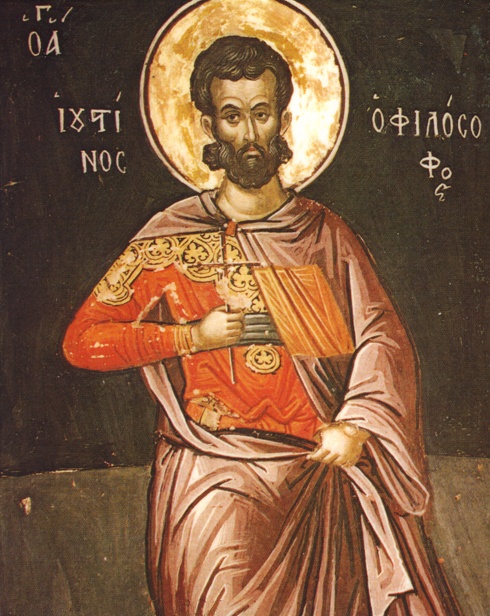
There was a man named Justin Martyr who was a Christian long ago, and when Christians were being treated badly by the Roman empire, he wrote a letter called the First Apology.
It was a letter trying to explain that Christians were not bad people, and that the Roman empire should not treat them badly.
People did not like Christians because they thought they did not want to be part of the Roman empire, and wanted to start their own kingdom.
Justin wrote that they wanted to be in God's kingdom, but that was after they were in heaven.
There were some people that said Christians were bad people and caused lots of crimes.
He wrote that those people should be put in jail for their crimes, but not because they called themselves Christians, just because they did bad things.
He also used the word Logos which means something like "Word" or "talking with reason" to talk about Jesus and tell people about the Word of God.
People used the word Logos to say that someone was speaking with good reason.
So if Jesus was with Logos then he had to be good.