Wednesday, September 16, 2020

European Wildcat


We just learned about the African Wildcat.

Another type of wild cat is the European Wildcat, also called felis silvestris.

This type of cat is brown and grey, with some dark stripes on its face, body and tail.
These cats are about 2 feet long, and weigh about 17 pounds.
They live mostly in forests and mountains of eastern europe.

They look a lot like a normal house cat, but they are usually bigger and thicker with longer fur.

Sylvester the Cat from the Looney Tunes cartoons was named after the science name for this cat, felis silvestris.
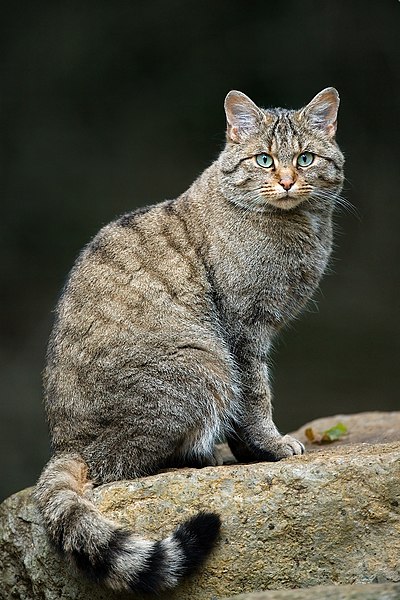


(from: wikipedia - european wildcat)


Kid Facts - Blast from the past: Jellyfish - Epidermis
Tuesday, September 15, 2020

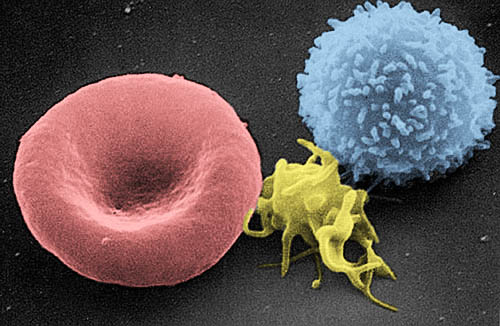
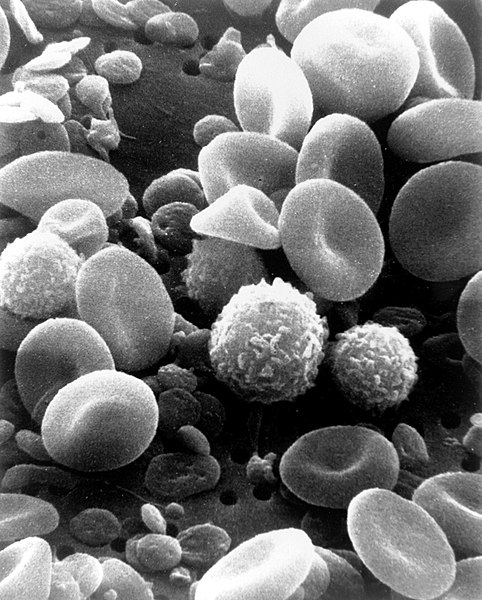
White Blood Cell


We just learned that there are three types of Blood Cell red blood cells, white blood cells and platelets.

Let's learn a little about White Blood Cells, also called WBCs, leukocytes or leucocytes.

These cells in the blood help fight against diseases or other bad things in the body.
This could be a type of virus or some kind of germs that got into the blood.
White blood cells are made in the bone marrow.
If there are a lot of white blood cells in the body, this can be a way for doctors to tell if someone is sick.
Looking at a liter of blood, if there are between 4,000 and 11,000 white blood cells then this is ok.
If there is a lot more or a lot less, then it is a sign the person is sick.

There are a lot of different types of white blood cells and they all have different jobs for fighting off anything that might be trying to hurt your body.


(from: wikipedia - white blood cell)


Kid Facts - Blast from the past: Optic Nerve

Monday, September 14, 2020

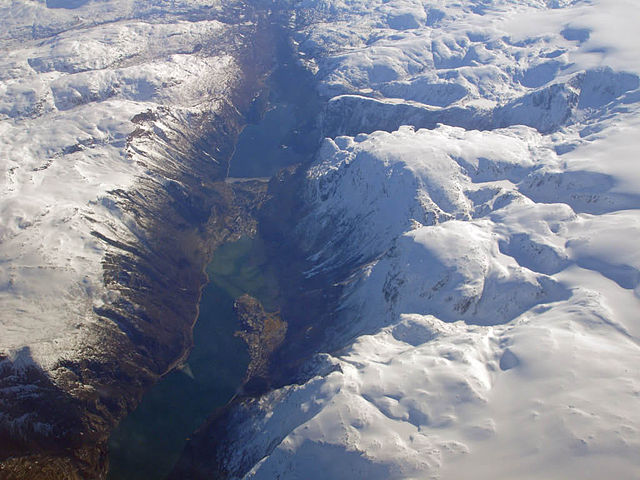
Fjord


We just learned about the Valley Glacier.

Another type of glacier movement is a Fjord.

When a glacier is melting and the water helps dig a deep valley in the ground, this is called a fjord.
A fjord is narrow, and has steep walls on either side with water in the middle.


(from: wikipedia - fjord)


Kid Facts - Blast from the past: Meurtrière

Sunday, September 13, 2020

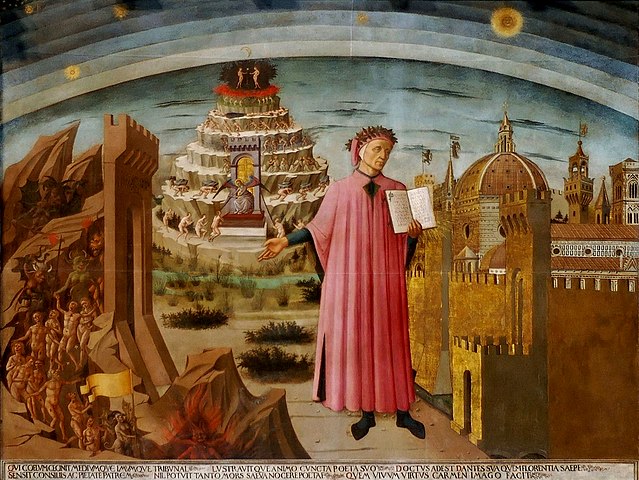
Divine Comedy - Paradiso


We just learned about the Divine Comedy - Purgatorio.

Another part of the Divine Comedy book written in Early Christianity is Paradiso.

In this part of the story, Dante writes about what heaven might be like.

Long ago people didn't really know how the planets and stars worked, and a lot of people thought that the other planets and the sun went around the earth.
These days we know that the earth and other planets go around the sun, but in Dante's picture of heaven he thought the earth was the middle of our universe.

He wrote about 10 levels of heaven:
- Moon, Mercury, Venus, Sun, Mars, Jupiter, Saturn, Stars, Primum Mobile, Empyrean

Each higher level was better than the last one, and the Empyrean was the special holy perfect place where God lived.
The Primium Mobile was like a circle outside all of the planets that helped move the sun and stars, and this was where the angels lived.

Just like the other parts of this book, it was so popular that many people came to believe that this was what heaven really looked like.


(from: wikipedia - divine comedy)


Kid Facts - Blast from the past: The Great Persecution - Persia

Saturday, September 12, 2020

National Shrine of the Little Flower - Chambellan


We just learned about the Hugo Grotius - C. Paul Jennewein.

Another famous architecture sculpture is the National Shrine of the Little Flower by Rene Paul Chambellan, made in 1931 in Michigan.

The large limestone tower at this church has a 28 foot tall sculpture of Jesus on a cross. There are also smaller sculptures of the writers of the gospel, Matthew Mark Luke and John.
Below the crucifix are the last words that Jesus said before he died.

The sculptor Rene Paul Chambellan was born in New Jersey, and studied art in New York and Paris.

He spent most of his life as a sculptor of artwork that was part of buildings.


(from: wikipedia - national shrine of the little flower basilica)


Kid Facts - Blast from the past: La Mojarra Stela

Friday, September 11, 2020

Russian - One Hundred


We counted to 99 in Russian, let's keep going!

100 Сто (Sto) - sounds like stoh 文A

101 Сто один (Sto odin) - sounds like stoh oh-dee-n 文A

102 Сто два (Sto dva) - sounds like stoh d-vah 文A

103 Сто три (Sto tri) - sounds like stoh t-dee 文A

104 Сто четыре (Sto chetyre) - sounds like stoh cheh-tee-dee 文A

105 Сто пять (Sto pyat') - sounds like stoh pee-yah-t 文A

106 Сто шесть (Sto shest') - sounds like stoh sheh-s-t 文A

107 Сто семь (Sto sem') - sounds like stoh seh-m 文A

108 Сто восемь (Sto vosem') - sounds like stoh voh-seh-m 文A

109 Сто девять (Sto devyat') - sounds like stoh day-v-yah-t 文A


russian language
(from: wikipedia - russian academy of sciences)

Norwegian: ett hundre, ett hundre og en, ett hundre og to, ett hundre og tre, ett hundre og fire, ett hundre og fam, ett hundre og seks, ett hundre og syv, ett hundre og åtte, ett hundre og ni

Greek: εκατό (ekató), εκατόν ένα (ekatón éna), εκατόν δύο (ekatón dýo), εκατόν τρεις (ekatón treis), εκατόν τέσσερις (ekatón tésseris), εκατόν πέντε (ekatón pénte), εκατόν έξι (ekatón éxi), εκατόν επτά (ekatón eptá), εκατόν οκτώ (ekatón októ), εκατόν εννέα (ekatón ennéa)

ASL: One hundred, one hundred one, one hundred two, one hundred three, one hundred four, one hundred five, one hundred six, one hundred seven, one hundred eight, one hundred nine

Italian: cento, centodue, centotre, centoquattro, centocinque, centosei, centosette, sentotto, sentonove

German: einhundert, einhunderteins, einhundertzwei, einhundertdrei, einhundertvier, einhundertfünf, einhundertsechs, einhundertsieben, einhundertacht, einhundertneun

Spanish: ciento, ciento uno, ciento dos, ciento tres, ciento cuatro, ciento cinco, ciento seis, ciento siete, ciento ocho, ciento nueve

French: cent, cent, cent deux, cent trois, cent quatre, cent cinq, cent six, cent sept, cent huit

Thursday, September 10, 2020

Smokebox


We just learned about the Air Brakes.

Another part of a steam locomotive is the Smokebox.

This is the place on the front of the locomotive where the hot air and smoke goes to.

The coal burns up and the hot air goes through the boiler.
After that the hot air needs to be released, so it goes into the smokebox and then out the chimney.
Because the smoke is so dirty, it leaves a bunch of ashes in the smokebox, so the front of the train can be opened up and cleaned out when it gets too dirty.


(from: wikipedia - smokebox)


Kid Facts - Blast from the past: Stator

Wednesday, September 9, 2020

African Wildcat


We just learned about the Chinese Mountain Cat.

Another type of wild cat is the African Wildcat.

This cat lives in Africa & Asia.
It has grey or red fur, with black tufts on its ears, stripes on its face and legs, and a ringed tail.

The African Wildcat is a small cat, about 2 feet long and weighing about 10 pounds.
When it gets scared, it puffs its hair out to look bigger, but it usually hides out in the bushes.

We know that humans have kept cats as pets for a long time, and one time someone found ancient bones of an African Wildcat with a human, going back 9,500 years!


(from: wikipedia - african wildcat)


Kid Facts - Blast from the past: Jellyfish Bell

Tuesday, September 8, 2020

Blood Cell


We just learned about the Haematopoiesis.

The bone marrow that uses haematopoiesis makes Blood Cells, also called hematopoietic cells, hemocytes or hematocytes.

Remember we learned before that the Greek word for blood is hema, so that is why all of those other names start with hema.

Blood cells come in three types: Red blood cells, white blood cells and platelets.


(from: wikipedia - blood cell)


Kid Facts - Blast from the past: Lens

Monday, September 7, 2020

Valley Glacier


We just learned about the Outlet Glacier.

Another type of glacier is a Valley Glacier.

Sometimes when glaciers melt, the edge of the glacier is by a valley, a low place with a hill on either side.

So when the melted water flows out, the hills and the valley make sure the water flows in one way.


(from: wikipedia - glacier morphology)


Kid Facts - Blast from the past: Battery Tower

Sunday, September 6, 2020

Divine Comedy - Purgatorio


We just learned about the Divine Comedy and it's picture of the inferno.

Another part of that story is the Divine Comedy's picture of Purgatory.

Some Christians think that after you die if you believed in Jesus but did some bad things that you can go to a place between heaven and hell called purgatory and work your way up to heaven.

Other Christians don't agree and don't think this is a real place.

In the Divine Comedy, after the story goes through and talks about what hell looks like, it goes on to talk about what purgatory looks like.

In this place people were treated very badly, but not usually as badly as they were in the inferno hell.
They were forced to carry heavy weights, there was poisonous smoke and fire, and they were starving or blind.

If people made it through their suffering here for long enough they could go to heaven.
Many of the people and ideas in this picture of purgatory came from Greek mythology, so these weren't stories from the bible.
But because this book was so popular many people believed it was true.


(from: wikipedia - divine comedy)


Kid Facts - Blast from the past: Constantinople

Saturday, September 5, 2020

Hugo Grotius - C. Paul Jennewein


We just learned about the Pennsylvania Railroad World War II Memorial by Walker Hancock.

Another famous sculpture is the relief of Hugo Grotius by C. Paul Jennewein at the U.S. House of Representatives, made in 1950.

In the House building there are 23 different sculptures like this of famous people who worked in law and government.
Hugo Grotius was Dutch, and was a lawyer, a judge and a diplomat born in 1583.

The sculpture is made of marble and is a relief meaning there is a flat background and the face sticks out from it.

The artist Jennewein was born in Germany in 1890, and moved to the US when he was 17.
He was mostly famous for making architectural sculptures of people that were part of buildings.


(from: wikipedia - c. paul jennewein)


Kid Facts - Blast from the past: Double Headed Serpent

Friday, September 4, 2020

Russian - Counting to Ninety Nine


We counted to 89 in Russian, let's keep going!

90 девяносто (devyanosto) - sounds like deh-v-yah-noh-stoh 文A

91 девяносто один (devyanosto odin) - sounds like deh-v-yah-noh-stoh oh-dee-n 文A

92 девяносто два (devyanosto dva) - sounds like deh-v-yah-noh-stoh d-vah 文A

93 девяносто три (devyanosto tri) - sounds like deh-v-yah-noh-stoh t-dee 文A

94 девяносто четыре (devyanosto chetyre) - sounds like deh-v-yah-noh-stoh cheh-tee-dee 文A

95 девяносто пять (devyanosto pyat') - sounds like deh-v-yah-noh-stoh pee-yah-t 文A

96 девяносто шесть (devyanosto shest') - sounds like deh-v-yah-noh-stoh sheh-s-t 文A

97 девяносто семь (devyanosto sem') - sounds like deh-v-yah-noh-stoh seh-m 文A

98 девяносто восемь (devyanosto vosem') - sounds like deh-v-yah-noh-stoh voh-seh-m 文A

99 девяносто девять (devyanosto devyat') - sounds like deh-v-yah-noh-stoh day-v-yah-t 文A


russian language
(from: wikipedia - russian academy of sciences)

Norwegian: nitti, nittien, nittito, nittitre, nittifire, nittifam, nittiseks, nittisyv, nittiåtte, nittini

Greek: ενενήντα (enenínta), ενενήντα ένα (enenínta éna), ενενήντα δύο (enenínta dýo), ενενήντα τρεις (enenínta treis), ενενήντα τέσσερις (enenínta tésseris), ενενήντα πέντε (enenínta pénte), ενενήντα έξι (enenínta éxi), ενενήντα επτά (enenínta eptá), ενενήντα οκτώ (enenínta októ), ενενήντα εννέα (enenínta ennéa)

ASL: Ninety, ninety one, ninety two, ninety three, ninety four, ninety five, ninety six, ninety seven, ninety eight, ninety nine

Italian: novanta, novantuno, novantadoue, novantatre, novantaquattro, novantacinque, novantasei, novantasette, novantotto, novantanove

German: neunzig, einundneunzig, zweiundneunzig, dreiundneunzig, vierundneunzig, fünfundneunzig, sechsundneunzig, siebenundneunzig, achtundneunzig, neunundneunzig

Spanish: noventa, noventa y uno, noventa y dos, noventa y tres, noventa y cuatro, noventa y cinco, noventa y seis, noventa y siete, noventa y ocho, noventa y nueve

French: quatre-vingts dix, quatre-vingt onze, quatre-vingt douze, quatre-vingt treize, quatre-vingt quatorze, quatre-vingt quinze, quatre-vingt seize, quatre-vingt dix sept, quatre-vingt dix huit, quatre-vingt dix neuf

Thursday, September 3, 2020

Air Brakes


We just learned about the Sand Dome.

Another part of steam locomotives is the Air Brakes.

When the engineer wants to stop the train, he pulls a lever to use the brakes.
The lever opens up something called an air reservoir which is a place where high pressured air is stored.
It is kind of like a really tight balloon filled with air, and opening it up causes the air to come blowing out.

The air goes through some tubes to get to a piece of metal called the brake shoe, and the air pressure pushes the metal brake shoe up against the wheel to stop the train.


(from: wikipedia - railway air brake)


Kid Facts - Blast from the past: Rotor

Wednesday, September 2, 2020

Chinese Mountain Cat


We just learned about the Sand Cat.

Another type of wild cat is the Chinese Mountain Cat, also called the Chinese desert cat or felis bieti.

This type of cat lives in western China, and there are less than 10,000 of them left in the world.
These cats have sandy colored fur with some dark stripes on their face and legs, and black tipped ears.

They are about 3 feet long, and weigh around 20 pounds.
Their tail is big and bushy and has black rings on it.


(from: wikipedia - chinese mountain cat)


Kid Facts - Blast from the past: Marrus Orthocanna

Tuesday, September 1, 2020

Haematopoiesis


We just learned about the Bone Marrow.

The bone marrow that makes blood cells is part of Haematopoiesis which comes from the Greek words αἷμα (aima) "blood" and ποιεῖν (poieín) "to make", so it means "to make blood".

A normal human body can make from one hundred billion to a trillion blood cells every day!


(from: wikipedia - haematopoiesis)


Kid Facts - Blast from the past: Retina

Monday, August 31, 2020

Outlet Glacier


We just learned about the Antarctic Glaciers.

There are a lot of different types of glaciers. One type is called a Outlet Glacier.

This type of glacier is usually on the outside of another glacier called an inland glacier.
The inland glacier drains water to the outlet glacier, that then drains water when it melts to some other place.

It is an outlet glacier because it is at the end of a glacier and gives the water an outlet to leave the glaciers and go onto land or an ocean.


(from: wikipedia - helheim glacier)


Kid Facts - Blast from the past: Hoarding

Sunday, August 30, 2020

Divine Comedy - Inferno


We just learned about the Divine Comedy.

Another part of early Christianity is Divine Comedy - Inferno.

We've learned that the Divine Comedy was a story about a man named Dante getting to see what heaven and hell are like.

Because this story was so popular, many people came to believe the things he wrote about are actually what heaven or hell are like.

When he wrote about hell, which he called inferno, he said there were 9 levels, called circles.

Each of the circles was bad, and had terrible things like terrible storms, freezing smelly rain, heavy stones to carry, smelly slimy swamps, fires, boiling rivers, burning sand, and many monsters.

This story uses a lot of things from Greek mythology like the river Styx, the dog cerebus, medusa and the minotaur.

Even though it was just a story and mixed things together like Christianity and Greek mythology, a lot of people believed that maybe he was right, and so for a long time people have talked about the circles or levels of hell and the different types of monsters and punishments there.


(from: wikipedia - inferno (dante))


Kid Facts - Blast from the past: Monasticism

Saturday, August 29, 2020

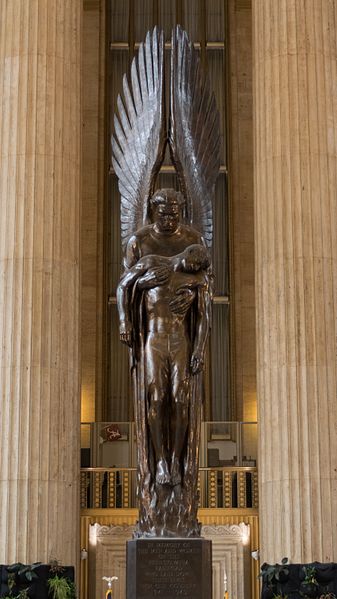
Pennsylvania Railroad World War II Memorial - Hancock


We just learned about the Astor Memorial Doors by Karl Bitter.

Another famous American scultpure is the Pennsylvania Railroad World War II Memorial made by Walker Hancock in 1952.

After many people died in world war II that worked for the railroad, they wanted to put up a memorial to remember the people who served in the war.

Walker Hancock was born in Missouri and later went to school for art in Pennsylvania.
He was born in 1901 served in World War II, and was one of the people known as Monuments Men who helped save famous works of arts that had been stolen by the Nazis.


(from: wikipedia - pennsylvania railroad world war ii memorial)


Kid Facts - Blast from the past: Serpent Labret with Articulated Tongue

Friday, August 28, 2020

Russian - Counting to Eighty Nine


We counted to 79 in Russian, let's keep going!

80 восемьдесят (vosem'desyat) - sounds like voy-sehm-day-s-yah-t 文A

81 восемьдесят один (vosem'desyat odin) - sounds like voy-sehm-day-s-yah-t oh-dee-n 文A

82 восемьдесят два (vosem'desyat dva) - sounds like voy-sehm-day-s-yah-t d-vah 文A

83 восемьдесят три (vosem'desyat tri) - sounds like voy-sehm-day-s-yah-t t-dee 文A

84 восемьдесят четыре (vosem'desyat chetyre) - sounds like voy-sehm-day-s-yah-t cheh-tee-dee 文A

85 восемьдесят пять (vosem'desyat pyat') - sounds like voy-sehm-day-s-yah-t pee-yah-t 文A

86 восемьдесят шесть (vosem'desyat shest') - sounds like voy-sehm-day-s-yah-t sheh-s-t 文A

87 восемьдесят семь (vosem'desyat sem') - sounds like voy-sehm-day-s-yah-t seh-m 文A

88 восемьдесят восемь (vosem'desyat vosem') - sounds like voy-sehm-day-s-yah-t voh-seh-m 文A

89 восемьдесят девять (vosem'desyat devyat') - sounds like voy-sehm-day-s-yah-t day-v-yah-t 文A


russian language
(from: wikipedia - russian academy of sciences)

Norwegian: åtti, åttiett, åttito, åttitre, åttifire, åttifem, åttiseks, åttisyv, åtti οκτώ, åttini

Greek: ογδόντα (ogdónta), ογδόντα ένα (ogdónta éna), ογδόντα δύο (ogdónta dýo), ογδόντα τρεις (ogdónta treis), ογδόντα τέσσερις (ogdónta tésseris), ογδόντα πέντε (ogdónta pénte), ογδόντα έξι (ogdónta éxi), ογδόντα επτά (ogdónta eptá), ογδόντα οκτώ (ogdónta októ), ογδόντα εννέα (ogdónta ennéa)

ASL: eighty, eighty one, eighty two, eighty three, eighty four, eighty five, eighty six, eighty seven, eighty eight, eighty nine

Italian: ottanta, unottanta, ottantadue, ottantatre, ottantaquattro, ottantacinque, ottantasei, ottantasette, ottantotto, ottantanove

German: achtzig, einundachtzig, zweiundachtzig, dreiundachtzig, vierundachtzig, fünfundachtzig, sechsundachtzig, siebenundachtzig, achtundachtzig, neunundachtzig

Spanish: ochenta, ochenta y uno, ochenta y dos, ochenta y tres, ochenta y cuatro, ochenta y cinco, ochenta y seis, ochenta y siete, ochenta y ocho, ochenta y nueve

French: quatre-vingts, quatre-vingts-un, quatre vingt deux, quatre vingt trois, quatre vingt quatre, quatre vingt cinq, quatre vingt six, quatre vingt sept, quatre vingt huit, quatre vingt neuf

Thursday, August 27, 2020

Sand Dome


We just learned about the Safety Valve.

Another part of a locomotive is a Sand Dome or Sand Box.

When a locomotive is speeding down the tracks and the metal tracks get wet, sometimes the wheels might slip.
To keep from slipping, the locomotives can spray sand onto the rails as the train is going.

On top of the train is a dome that opens up so the sand box can be filled up with sand when the train stops at the station, just like it does with water.
The sand goes down into a pipe, and when the engineer pulls the right lever it opens up the sand pipe and using some of the steam it can blow grains of sand onto the tracks so the train doesn't slip and slide.


(from: wikipedia - sandbox (locomotive))


Kid Facts - Blast from the past: Electric Motor

Wednesday, August 26, 2020

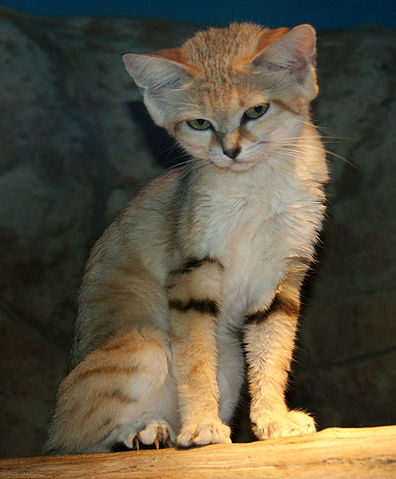
Sand Cat


We just learned about the Black Footed Cat.

Another type of wild cat is the Sand Cat, also called the Sand Dune Cat or the Felis Margarita.

Just like you might think from its name, this cat lives in deserts far away from water, in places like Africa and Asia.

It has sandy brown fur with some black stripes and spots, is about 2 feet long, and is about 7 pounds.
These cats have a flat wide head, with very wide ears sitting lower on their head than most cats, so they can better hear their prey moving under the sand.
Their ears are 5 times better than a normal cat, so they can hear from far away and sneak up on other animals.

On their paws, these cats have extra fur to help protect them from the heat and cold of the desert sand.


(from: wikipedia - sand cat)


Kid Facts - Blast from the past: Green Hydra

Tuesday, August 25, 2020

Bone Marrow


We just learned about the Lymph Nodes.

Another part of the lymphatic system is Bone Marrow.

When we think about our bones, we think of them as hard solid.
But inside our bones is something called bone marrow.

This bone marrow is soft, and is mostly white with some yellow and red.

When we think about blood, we just think of it red liquid, but there are really two types of blood cells called red and white blood cells.
Marrow is where these blood cells in the body are made, and even though we think of the outside of our bones as solid there are really small arteries and veins there that bring the fresh blood cells out of the bone marrow to go to the rest of the body.


(from: wikipedia - bone marrow)


Kid Facts - Blast from the past: Cornea

Monday, August 24, 2020

Antarctic Glaciers


We just learned about the Ross Gyre.

Another part of Antarctica is the number of Antarctic Glaciers.

We know that the Antarctic Ice sheet goes over all of Antarctica, but there are a lot of smaller ice sheets that people have given names to and put on maps. There are thousands of different glaciers of different types in Antarctica, like outlet glaciers, valley glaciers, cirque glaciers, tidewater glaciers and ice streams.

Each different type of glacier have different shapes and do different things for the ice and water in Antarctica.

The biggest glacier in Antarctica is the Lambert Glacier.

It is 50 miles wide, over 250 miles long and over a mile and a half deep!


(from: wikipedia - lambert glacier)


Kid Facts - Blast from the past: Yett

Sunday, August 23, 2020

Divine Comedy


We just learned about the Medieval Inquisition.

Another part of early Christianity is the book the Divine Comedy.

This was written by a man named Dante Alighieri who was an Italian poet.

Long ago there were many ideas about what heaven and hell looked like.
The different mythologies from Romans and Greeks and other people mixed together and a lot of people took those ideas and mixed them in with what the Bible says about heaven and hell.

Dante wrote this book of poetry and talked about going into hell and heaven, and a lot of the places that he described going are a lot like the stories from mythology.

No one really knows what hell and heaven look like, but Dante's book was so popular that many people started to believe that what he wrote about was what they really looked like.


(from: wikipedia - divine comedy)


Kid Facts - Blast from the past: Fifty Bibles of Constantine

Saturday, August 22, 2020

Astor Memorial Doors - Karl Bitter


We just learned about the Alexander Macomb - Adolph Alexander Weinman.

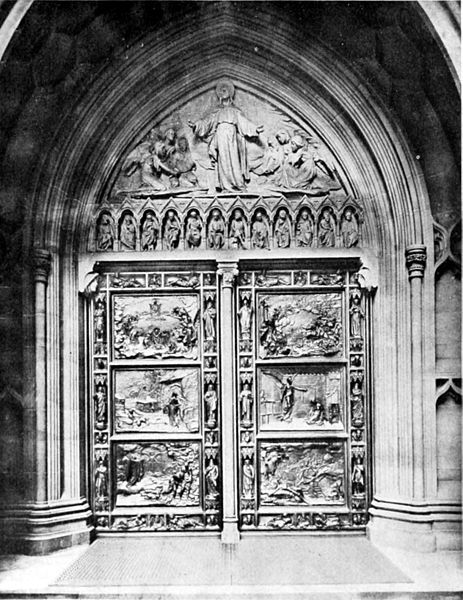
Another famous architectural sculpture is the Astor Memorial Doors by Karl Bitter, made in 1891 in New York at Trinity Church.

The doors were named for John Jacob Astor, who was a very famous business person in America.

The tympanum top of the sculpture has a big sculpture of Jesus standing above his 12 apostles.
On the doors are six sculpted picture boxes showing stories from the Bible: Adam and Eve, Jacob, Jesus' empty tomb, Jesus' mother Mary, praying at church, and heaven

The sculptor Karl Bitter was born in Austria in 1867.
He grew up there and learned how to be a sculptor, and then when he was 21 he moved to America.

While he was living in New York City he entered the competition to sculpt these Astor Memorial Doors, and won.
After that he had some money and people knew about him so he went on to make many more sculptures, mostly architectural as part of buildings.


(from: wikipedia - karl bitter)


Kid Facts - Blast from the past: Olmec Colossal Heads

Friday, August 21, 2020

Russian - Counting to Seventy Nine


We counted to 69 in Russian, let's keep going!

70 семьдесят (sem'desyat) - sounds like sehm-deh-s-yah-t 文A

71 семьдесят один (sem'desyat odin) - sounds like sehm-deh-s-yah-t oh-dee-n 文A

72 семьдесят два (sem'desyat dva) - sounds like sehm-deh-s-yah-t d-vah 文A

73 семьдесят три (sem'desyat tri) - sounds like sehm-deh-s-yah-t t-dee 文A

74 семьдесят четыре (sem'desyat chetyre) - sounds like sehm-deh-s-yah-t cheh-tee-dee 文A

75 семьдесят пять (sem'desyat pyat') - sounds like sehm-deh-s-yah-t pee-yah-t 文A

76 семьдесят шесть (sem'desyat shest') - sounds like sehm-deh-s-yah-t sheh-s-t 文A

77 семьдесят семь (sem'desyat sem') - sounds like sehm-deh-s-yah-t seh-m 文A

78 семьдесят восемь (sem'desyat vosem') - sounds like sehm-deh-s-yah-t voh-seh-m 文A

79 семьдесят девять (sem'desyat devyat') - sounds like sehm-deh-s-yah-t day-v-yah-t 文A


russian language
(from: wikipedia - russian academy of sciences)

Norwegian: sytti, sytti en, syttito, syttitre, sytti-fire, syttifem, syttiseks, sytti syv, syttiåtte, syttini

Greek: εβδομήντα (evdomínta), εβδομήντα ένα (evdomínta éna), εβδομήντα δύο (evdomínta dýo), εβδομήντα τρεις (evdomínta treis), εβδομήντα τέσσερις (evdomínta tésseris), εβδομήντα πέντε (evdomínta pénte), εβδομήντα έξι (evdomínta éxi), εβδομήντα επτά (evdomínta eptá), εβδομήντα οκτώ (evdomínta októ), εβδομήντα εννέα (evdomínta ennéa)

ASL: seventy, seventy one, seventy two, seventy three, seventy four, seventy five, seventy six, seventy seven, seventy eight, seventy nine

Italian: settanta, settantuno, settantadue, settantatre, settantaquattro, settantacinque, settantasei, settantasette, settantotto, settantanove

German: siebzig, einundsiebzig, zweiundsiebzig, dreiundsiebzig, vierundsiebzig, fünfundsiebzig, sechsundsiebzig, siebenundsiebzig, achtundsiebzig, neunundsiebzig

Spanish: setenta, setenta y uno, setenta y dos, setenta y tres, setenta y cuatro, setenta y cinco, setenta y seis, setenta y siete, setenta y ocho, setenta y nueve

French: soixante-dix, soixante et onze, soixante-douze, soixante-treize, soixante-quatorze, soixante-quinze, soixante-seize, soixante dix sept, soixante dix huit, soixante dix neuf

Thursday, August 20, 2020

Safety Valve


We just learned about the Johnson Bar that controls the train speed.

Another part of a steam locomotive was the Safety Valve.

This was a valve that could be opened to let off steam if the pressure in the steam engine was getting too high.


(from: wikipedia - safety valve)


Kid Facts - Blast from the past: Bearing

Wednesday, August 19, 2020

Black-Footed Cat


We just learned about the Jungle Cat.

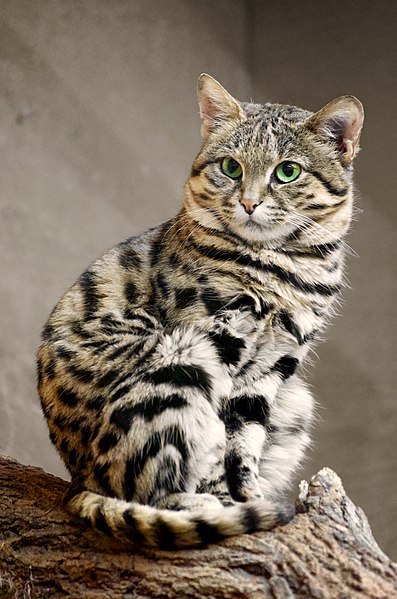
Another type of wild cat is the Black Footed Cat.

This is a small cat that lives in Africa and has a brown fur with black spots and stripes on it.
These cats are less than 2 feet long, and weigh about 5 pounds.

Even though their name is black footed cat, the only bottom parts of their feet are black.


(from: wikipedia - black-footed cat)


Kid Facts - Blast from the past: String Jellyfish

Tuesday, August 18, 2020

Lymph Nodes


We just learned about the Lymphatic Vessel.

Another part of the lymphatic system is the Lymph Node.

So we know that lymph is carried in the lymph capillaries and then the lymphatic vessels.
The lymphatic vessels bring the lymph to the Lymph Node.

This is a kidney bean shaped small part of the body that helps filter out bad stuff in the lymph.
It keeps the bad stuff in the lymph node and lets the other liquid lymph go back out to circulate.

The lymph nodes try to fight off the bad stuff collected inside them, and if there is too much bad stuff collected, then your lymph nodes can fill up and get swollen.

Sometimes if you are sick, you can feel on the side of your neck and feel a little lymph node bump sticking out.
Doctors can feel that area and if your lymph nodes are swollen that is a sign you are probably sick and they can do some other tests to try and figure out what sickness you have.

An adult has about 450 lymph nodes in their body, so the lymph gets carried all over and collected in these lymph nodes.


(from: wikipedia - lymph node)


Kid Facts - Blast from the past: Eye Color

Monday, August 17, 2020

Ross Gyre


We just learned about the Weddell Gyre.

Another gyre in Antarctica is the Ross Gyre.

This one is just like the Weddel Gyre, but it is in the Ross Sea which is on the other side of the Antarctic Peninsula from the Weddell Sea.


(from: wikipedia - ross gyre)


Kid Facts - Blast from the past: Portcullis

Sunday, August 16, 2020

Medieval Inquisition


We just learned about the Dominican Order.

Another part of early Christianity was the Medieval Inquisition.

We've learned that orthodoxy is what the church says you are supposed to do, and heresy is what the church says you are not supposed to do.

Long ago in many states and countries it was against the law to do or say something that was heresy.
If you were caught, the king or lord of the land would have a trial, and if you were found guilty you could be killed.

The church leaders decided that the kings and lords shouldn't be in charge of those trials, because they didn't know the laws that well.
They also wanted to try and give people the chance to learn what they did wrong and stop being heretics instead of being killed.

The church would send people from the Dominican or Franciscan order as judges to rule on trials as to whether the person was really bad or if they were just confused and needed to learn the right orthodox way to believe.
These trials were called Inquisitions.

For a while the Inquisitions were peaceful and did not allow anyone to be hurt. They were actually better than trials from the kings or lords where people were hurt and killed a lot more.

But as time went on the Inquisitions changed, and the Dominican and Franciscan leaders started to hurt people during the trials, to try and force them to admit that they had done something bad and were heretics.


(from: wikipedia - medieval inquisition)


Kid Facts - Blast from the past: Four Great Uncials

Saturday, August 15, 2020

Alexander Macomb - Adolph Alexander Weinman


We just learned about the Nebraska State Capitol - The Sower - Lee Lawrie.

Another famous American statue is the sculpture of Alexander Macomb made by Adolph Alexander Weinman in Detroit Michigan in 1908.

Alexander Macomb was born in Detroit and went on to be the commander of the US Army.
In Michigan the area called Macomb County was named after him.

The artist Weinman was from Germany and moved to the US to live in New York when he was 14.
He spent most of his life working on buildings as an architectural sculptor, but also did some statues like this one in Detroit.


(from: wikipedia - adolph alexander weinman)


Kid Facts - Blast from the past: Nubian Pyramids

Friday, August 14, 2020

Russian - Counting to Sixty Nine


We counted to 59 in Russian, let's keep going!

60 шестьдесят (shest'desyat) - sounds like sheh-st-deh-s-yah-t 文A

61 шестьдесят один (shest'desyat odin) - sounds like sheh-st-deh-s-yah-t oh-dee-n 文A

62 шестьдесят два (shest'desyat dva) - sounds like sheh-st-deh-s-yah-t d-vah 文A

63 шестьдесят три (shest'desyat tri) - sounds like sheh-st-deh-s-yah-t t-dee 文A

64 шестьдесят четыре (shest'desyat chetyre) - sounds like sheh-st-deh-s-yah-t cheh-tee-dee 文A

65 шестьдесят пять (shest'desyat pyat') - sounds like sheh-st-deh-s-yah-t pee-yah-t 文A

66 шестьдесят шесть (shest'desyat shest') - sounds like sheh-st-deh-s-yah-t sheh-s-t 文A

67 шестьдесят семь (shest'desyat sem') - sounds like sheh-st-deh-s-yah-t seh-m 文A

68 шестьдесят восемь (shest'desyat vosem') - sounds like sheh-st-deh-s-yah-t voh-seh-m 文A

69 шестьдесят девять (shest'desyat devyat') - sounds like sheh-st-deh-s-yah-t day-v-yah-t 文A


russian language
(from: wikipedia - russian academy of sciences)

Norwegian: seksti, sekstien, seksti to, sekstitre, sekstifire, sekstifem, sekstiseks, sekstiju, seksti åtte, sekstini

Greek: εξήντα (exínta), εξήντα ένα (exínta éna), εξήντα δύο (exínta dýo), εξήντα τρεις (exínta treis), εξήντα τέσσερις (exínta tésseris), εξήντα πέντε (exínta pénte), εξήντα έξι (exínta éxi), εξήντα επτά (exínta eptá), εξήντα οκτώ (exínta októ), εξήντα εννέα (exínta ennéa)

ASL: fifty, fifty one, fifty two, fifty three, fifty four, fifty five, fifty six, fifty seven, fifty eight, fifty nine

Italian: sessanta, sessantuno, sessantadue, sessantatre, sessantaquattro, sessantacinque, sessantasei, sessantasette, sessantotto, sessantanove

German: sechzig, einundsechzig, zweiundsechzig, dreiundsechzig, vierundsechzig, fünfundsechzig, sechsundsechzig, siebenundsechzig, achtundsechzig, neunundsechzig

Spanish: sesenta, sesenta y uno, sesenta y dos, sesenta y tres, sesenta y cuatro, sesenta y cinco, sesenta y seis, sesenta y siete, sesenta y ocho, sesenta y nueve

French: soixante, soixante et un, soixante-deux, soixante-trois, soixante-quatre, soixante-cinq, soixante-six, soixante-sept, soixante-huit, soixante-neuf

Thursday, August 13, 2020

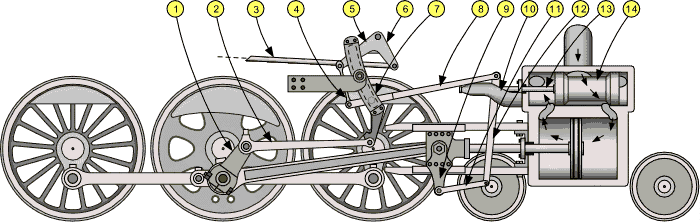
Johnson Bar


We just learned about the Valve Gear.

Another part of a steam locomotive is the Johnson Bar, also called the reach rod or reversing lever.

This is a lever that is hooked up to the Valve Gear, and is up in the Cab so that the engineer can push or pull on it to control the speed.

No one really knows why it has the name of Johnson Bar!


(from: wikipedia - johnson bar (locomotive))


Kid Facts - Blast from the past: Axle

Wednesday, August 12, 2020

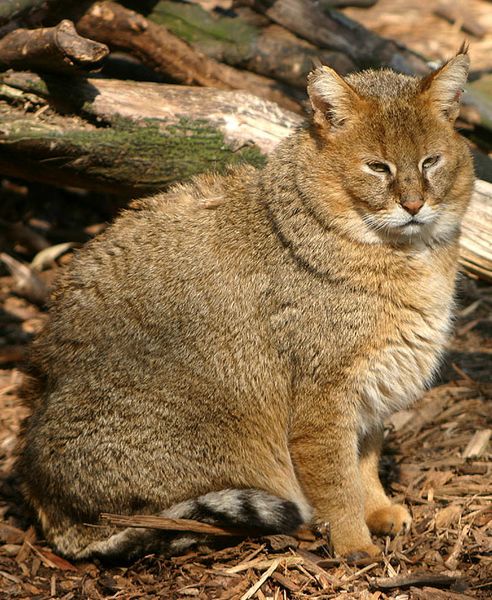
Jungle Cat


We just learned about the Flat-Headed Cat.

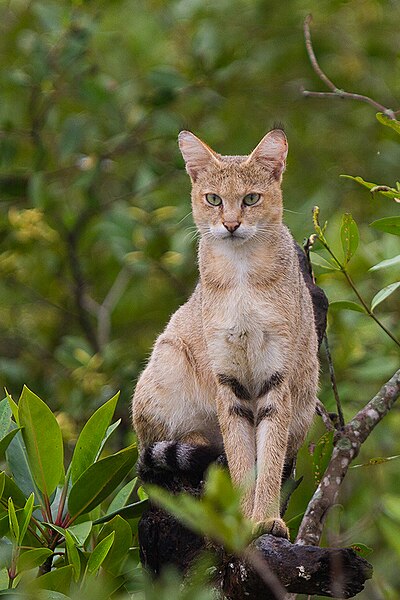
Another type of wild cat is the Jungle Cat, also called the reed cat or swamp cat.

This cat lives in Asia, and has brown or grey fur.
It is a little over 2 feet long and can weigh up to 35 pounds.

The ears on these cats have a little tuft of black hair, and they have a white mouth.
They have a few dark lines on their front legs.

These cats mostly live in wetlands like swamps or grasslands, which is how it got it's nickname the reed cat or swamp cat.


(from: wikipedia - jungle cat)


Kid Facts - Blast from the past: Freshwater Jellyfish

Tuesday, August 11, 2020

Lymphatic Vessel


We just learned about the Lymph Capillary.

Another part of the lymphatic system is the Lymphatic Vessel.

These are like the veins and arteries in the body, but they carry lymph around the body.

The lymph is either brough to something called a lymph node, lymph duct or to a blood vein.

There are two types of lymphatic vessles:
- afferent lymph vessels: Bring lymph to a lymph node
- efferent lymph vessels: Bring lymph away from a lymph node


(from: wikipedia - lymphatic vessel)


Kid Facts - Blast from the past: Iris

Monday, August 10, 2020

Weddell Gyre


We just learned that an Ocean Gyre is a way that water flows around in all the oceans.

One of the ocean gyres in Antarctica is called the Weddell Gyre.

The Weddell Sea is the water by the Antarctic peninsula.

The water in this gyre mixes the super cold water right by Antarctica with the warmer southern Atlantic ocean water that is north of Antarctica.


(from: wikipedia - weddel gyre)


Kid Facts - Blast from the past: Drawbridge